
Truck Engine Mounts: Why They Matter and When to Replace Them
September 16, 2026
Truck engine mounts are often overlooked components, yet they play a critical role in vehicle performance, driver comfort, and powertrain protection. Positioned between the engine and chassis, engine mounts are designed to support the engine’s weight, control movement, and isolate vibration and noise generated during operation. Without properly functioning engine mounts, excessive vibration, component wear, and even costly drivetrain damage can occur.
What Is the Function of a Truck Engine Mount?


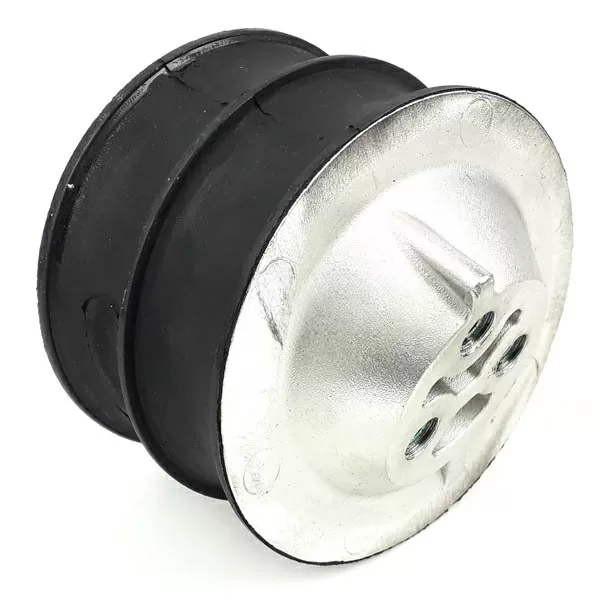
The primary purpose of an engine mount is to securely attach the engine to the truck’s frame while absorbing vibration and shock. Most engine mounts are constructed from steel and high-quality rubber, while some advanced designs use hydraulic fluid for enhanced damping performance.
Key functions include:
- Supporting the engine and transmission weight while maintaining proper alignment.
- Reducing vibration and noise transmission from the engine to the cab and chassis, improving driver comfort.
- Controlling engine movement during acceleration, braking, cornering, and gear changes.
- Protecting surrounding components such as hoses, wiring, exhaust systems, and cooling components from excessive stress caused by engine movement.
By balancing flexibility and stiffness, engine mounts help maintain stable engine operation while preventing unwanted vibrations from reaching the vehicle structure.
Why Engine Mount Replacement Is Necessary
Over time, engine mounts are exposed to constant vibration, heat, oil contamination, and heavy loads. These conditions gradually cause the rubber or hydraulic elements to deteriorate. Cracks, separation, fluid leakage, and loss of elasticity are common signs of wear.
When engine mounts fail, truck operators may notice:
- Increased vibration in the cab
- Unusual engine movement during acceleration
- Clunking or knocking noises
- Misalignment of drivetrain components
- Premature wear of hoses, belts, and exhaust systems
- Reduced driving comfort and stability
Ignoring damaged mounts can lead to more serious mechanical problems and higher repair costs. Replacing worn engine mounts promptly helps restore proper vibration isolation and protects the entire powertrain system.
Maintenance Tips for Longer Service Life


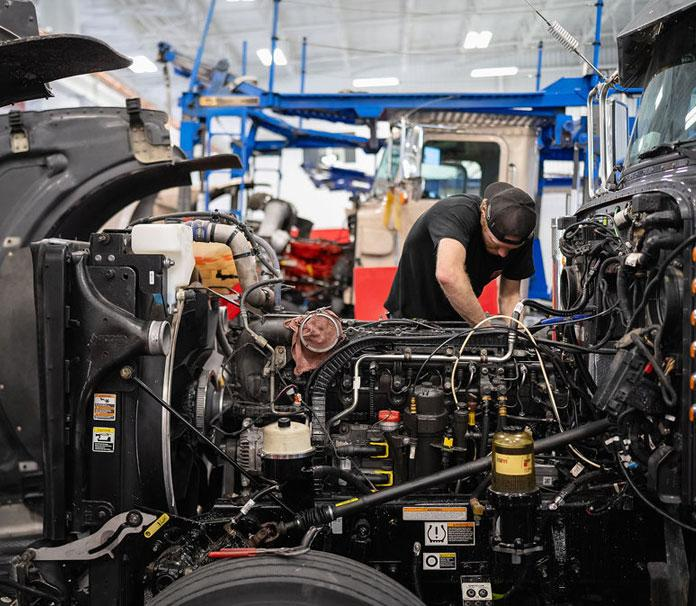
Regular inspection is essential for commercial vehicles that operate under demanding conditions. Fleet managers and maintenance technicians should:
- Inspect mounts during routine service intervals.
- Check for cracked, torn, or compressed rubber.
- Look for hydraulic fluid leakage on fluid-filled mounts.
- Monitor unusual vibration or engine movement.
- Replace mounts in matched sets when multiple mounts show wear.
- Repair oil leaks promptly, as oil contamination accelerates rubber deterioration.
Preventive maintenance helps maximize component life, improve ride quality, and reduce the risk of unexpected downtime.
Conclusion
Truck engine mounts perform far more than a simple support function. They are essential for vibration control, engine stability, driver comfort, and overall vehicle reliability. As engine mounts age, their ability to absorb vibration and control movement decreases, making regular inspection and timely replacement a critical part of fleet maintenance. Investing in quality engine mounts and proper maintenance can help extend the lifespan of the engine and related components while ensuring smoother and safer truck operation.
Frequently Asked Questions (FAQs)
1. How long do truck engine mounts typically last?
Engine mount lifespan varies depending on operating conditions, load, and maintenance practices. Heavy-duty trucks may require inspection at every major service interval.
2. What are the symptoms of a bad engine mount?
Common symptoms include excessive vibration, engine movement, clunking noises, and reduced driving comfort.
3. Can a truck be driven with a damaged engine mount?
While it may still operate, continued driving can damage surrounding components and increase repair costs.
4. What causes engine mounts to fail?
Heat, vibration, aging rubber, oil contamination, heavy loads, and harsh operating environments are the most common causes.
5. Should all engine mounts be replaced at the same time?
If multiple mounts show wear or the truck has high mileage, replacing them together is often recommended for balanced performance.
6. How often should engine mounts be inspected?
Engine mounts should be checked during scheduled maintenance inspections and whenever abnormal vibration or engine movement is noticed.