
The Function of Truck Oil Seals and Why Regular Replacement and Maintenance Matter
September 21, 2026
Truck oil seals may be small components, but they play a critical role in protecting some of the most expensive systems on a commercial vehicle. Found in engines, transmissions, axles, wheel hubs, and differentials, oil seals are designed to keep lubricants inside and contaminants outside. Without properly functioning oil seals, trucks can experience lubricant loss, accelerated component wear, overheating, and costly downtime.
What Is a Truck Oil Seal?
An oil seal, often called a shaft seal or radial lip seal, is a sealing component installed between a rotating shaft and a stationary housing. Its primary purpose is to prevent lubricating oil or grease from escaping while stopping dirt, water, dust, and road debris from entering the system.
A typical truck oil seal consists of:
- A sealing lip that contacts the rotating shaft
- A metal case that provides structural support
- A spring that maintains pressure on the sealing lip
- Elastomer materials designed to withstand heat, oil, and vibration
Common Truck Applications
- Engine crankshaft seals
- Transmission output shaft seals
- Differential seals
- Wheel hub seals
- Axle shaft seals
- Steering system seals
These seals work continuously under demanding conditions, including heavy loads, vibration, temperature fluctuations, and exposure to water and road contaminants.
Truck Oil Seal Product Examples
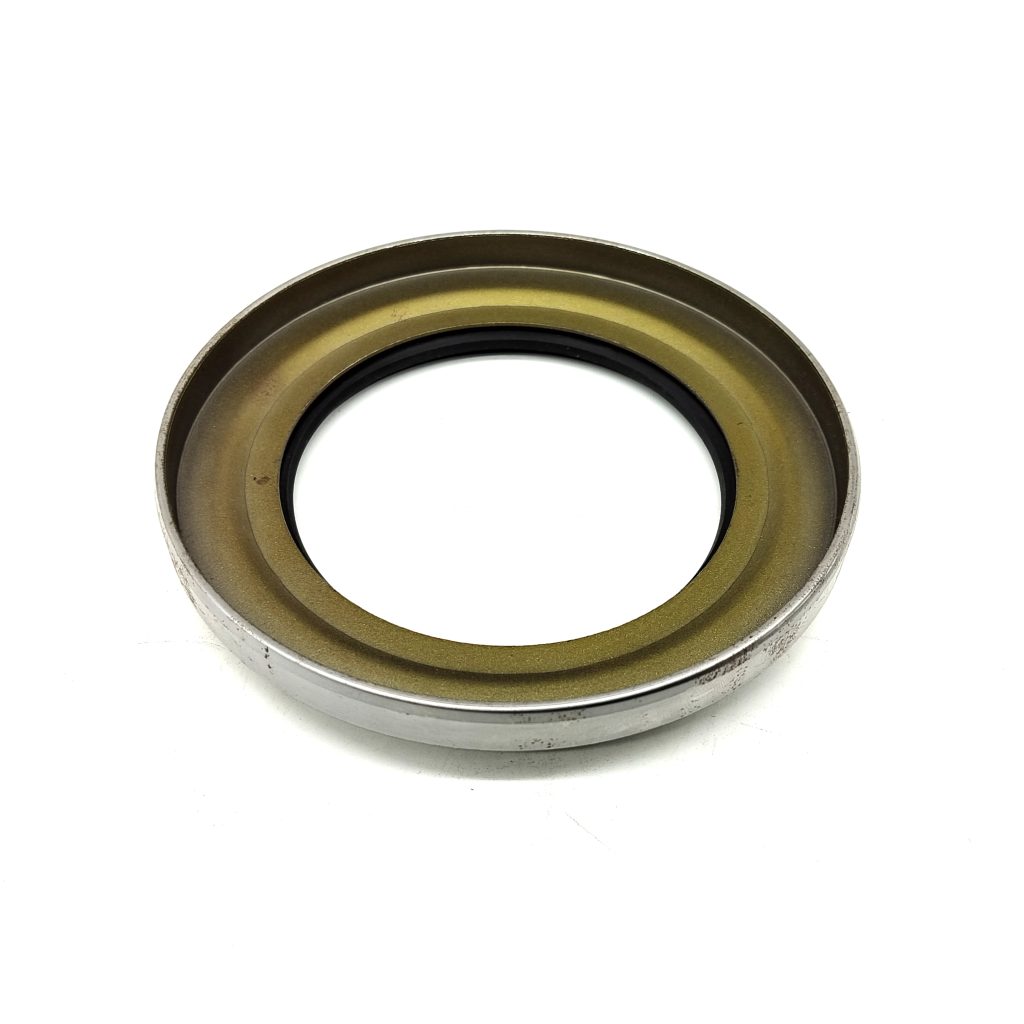
The Main Functions of Truck Oil Seals
1. Prevent Lubricant Leakage
The most important function of an oil seal is retaining lubricants inside critical assemblies. Engine oil, transmission fluid, differential oil, and bearing grease must remain where they are needed to reduce friction and wear. Even a minor leak can gradually lower lubricant levels and compromise component performance.
When lubrication escapes:
- Bearings receive insufficient protection
- Friction increases
- Operating temperatures rise
- Component lifespan decreases
For fleet operators, a simple seal failure can eventually lead to major repairs involving bearings, gears, or shafts.
2. Block Dirt, Water, and Debris
Heavy-duty trucks frequently operate in rain, mud, construction zones, and dusty environments. Oil seals act as barriers against contaminants that can damage precision components. Dust, sand, moisture, and road salt can quickly contaminate lubricants and accelerate wear.
By keeping contaminants out, oil seals help:
- Protect bearings
- Reduce corrosion
- Extend lubricant life
- Improve overall reliability
3. Protect Bearings and Gears
Bearings and gears depend on clean lubrication to operate efficiently. Oil seals maintain the proper lubrication environment necessary for smooth operation. When seals fail, contaminants and lubricant loss can rapidly damage these expensive components.
4. Improve Vehicle Safety
In wheel hub and axle applications, leaking oil can reach brake components. Oil-contaminated brake linings may reduce braking performance and create serious safety risks. Maintaining oil seals helps preserve braking efficiency and vehicle control.
How Truck Oil Seals Work


Oil seals create two types of sealing:
Dynamic Sealing
Dynamic sealing occurs where the seal lip contacts the rotating shaft. A thin film of lubricant forms between the shaft and sealing lip, reducing friction while maintaining an effective seal.
Static Sealing
Static sealing occurs between the seal’s outer diameter and the housing bore. This prevents fluid from leaking around the outside of the seal.
The combination of these sealing actions allows truck systems to operate reliably under demanding conditions.
Common Causes of Oil Seal Failure
Despite their durability, oil seals are wear components and eventually require replacement.
Normal Wear and Aging
Over time, heat, friction, and chemical exposure cause sealing materials to harden, crack, or lose elasticity. As the sealing lip deteriorates, leaks begin to develop.
Improper Installation
Incorrect installation remains one of the leading causes of premature seal failure. Damaged sealing lips, improper alignment, or contaminated installation surfaces can shorten seal life significantly.
Excessive Heat
High operating temperatures can accelerate rubber degradation and reduce sealing effectiveness. Heat-related failures are especially common in heavily loaded commercial vehicles.
Shaft Damage
Scratches, corrosion, grooves, or excessive shaft runout can damage the sealing lip and create leakage paths.
Contamination
Mud, dust, metal particles, and water can accelerate wear and compromise sealing performance.
Signs That a Truck Oil Seal Needs Replacement
Recognizing failure symptoms early can prevent expensive repairs.
Common warning signs include:
- Oil leaks beneath the truck
- Oil residue around wheel hubs or axles
- Low lubricant levels
- Unusual bearing noise
- Excessive heat near hubs or differentials
- Oil-contaminated brake components
- Visible cracking or hardening of the seal material
If any of these symptoms appear, the seal should be inspected immediately.
Why Regular Maintenance Is Essential
Prevent Costly Repairs
Replacing an oil seal is significantly less expensive than replacing bearings, gears, wheel hubs, or differential assemblies damaged by lubricant loss. Early maintenance helps avoid secondary failures.
Reduce Vehicle Downtime
Unexpected seal failures can result in roadside breakdowns and lost productivity. Preventive inspections help identify problems before they affect operations.
Extend Component Life
Maintaining proper lubrication and contamination control helps maximize the lifespan of critical drivetrain components.
Improve Fleet Reliability
Reliable sealing systems contribute to consistent vehicle performance and lower maintenance costs across an entire fleet.
Best Practices for Oil Seal Maintenance
To maximize oil seal service life:
- Inspect seals during routine maintenance intervals.
- Monitor lubricant levels regularly.
- Check for leaks around wheel hubs, axles, and differentials.
- Keep ventilation systems and breather tubes clean.
- Replace damaged shafts before installing new seals.
- Use the correct seal material and dimensions.
- Follow manufacturer installation procedures.
- Replace seals showing signs of hardening, cracking, or excessive wear.
Conclusion
Truck oil seals are essential components that protect engines, transmissions, axles, wheel hubs, and differentials from lubricant loss and contamination. Although relatively inexpensive, their role in maintaining vehicle reliability, efficiency, and safety is enormous. Regular inspection, proper installation, and timely replacement can prevent costly repairs, reduce downtime, and extend the life of critical drivetrain components. For fleet operators and maintenance professionals, oil seal maintenance should always be considered a key part of preventive maintenance programs.
Frequently Asked Questions (FAQs)
1. What does a truck oil seal do?
A truck oil seal keeps lubricants such as engine oil, gear oil, and grease inside mechanical assemblies while preventing dirt, water, and debris from entering.
2. How long do truck oil seals last?
Service life varies depending on operating conditions, installation quality, and environmental exposure. Many seals last several years but should be inspected during routine maintenance.
3. What causes oil seal failure?
Common causes include aging, excessive heat, improper installation, shaft wear, contamination, and inadequate maintenance.
4. Can I continue driving with a leaking oil seal?
A minor leak may initially seem harmless, but continued operation can lead to lubricant loss, bearing damage, brake contamination, and expensive repairs. Prompt inspection is recommended.
5. How can I identify a failing oil seal?
Typical symptoms include visible oil leaks, low lubricant levels, unusual bearing noise, overheating, and oil contamination around hubs or axle assemblies.
6. Should oil seals be replaced during major drivetrain repairs?
Yes. Replacing oil seals during axle, wheel hub, transmission, or differential service is considered good preventive maintenance because access is already available and labor costs are minimized.