
Truck Bushings: Functions, Importance, Maintenance, and When to Replace Them
November 3, 2026
Truck bushings are small but essential components of a vehicle’s suspension, chassis, and mounting systems. Although they are often overlooked during routine inspections, these components play a significant role in maintaining driving comfort, vehicle stability, handling performance, and the durability of other mechanical parts.
For commercial trucks, which frequently carry heavy loads and travel long distances across different road conditions, bushings are exposed to considerable pressure, vibration, friction, and repeated movement. Over time, these forces can cause rubber to deteriorate, metal components to wear, and the overall performance of the bushing to decline.
Understanding how truck bushings work, recognizing the signs of wear, and following an appropriate maintenance schedule can help fleet operators, truck owners, and maintenance professionals prevent unnecessary repairs and keep vehicles operating safely.
This article explores the main functions of truck bushings, the different types used in commercial vehicles, why regular maintenance and timely replacement are necessary, and how to choose suitable replacement parts.
1. What Are Truck Bushings?
Truck bushings are cushioning components installed between two connected mechanical parts. They are commonly manufactured from rubber, polyurethane, or a combination of rubber and metal. Their primary purpose is to absorb vibration, reduce noise, minimize friction, and allow controlled movement between connected components.
In heavy-duty trucks, bushings are found in numerous locations, including suspension systems, leaf springs, stabilizer bars, control arms, cab mounts, and engine mounts.
Unlike rigid metal connections, which can transfer vibration and impact forces directly throughout the vehicle, bushings provide a flexible connection. They help isolate unwanted movement while allowing suspension and mounting components to operate within their intended range.
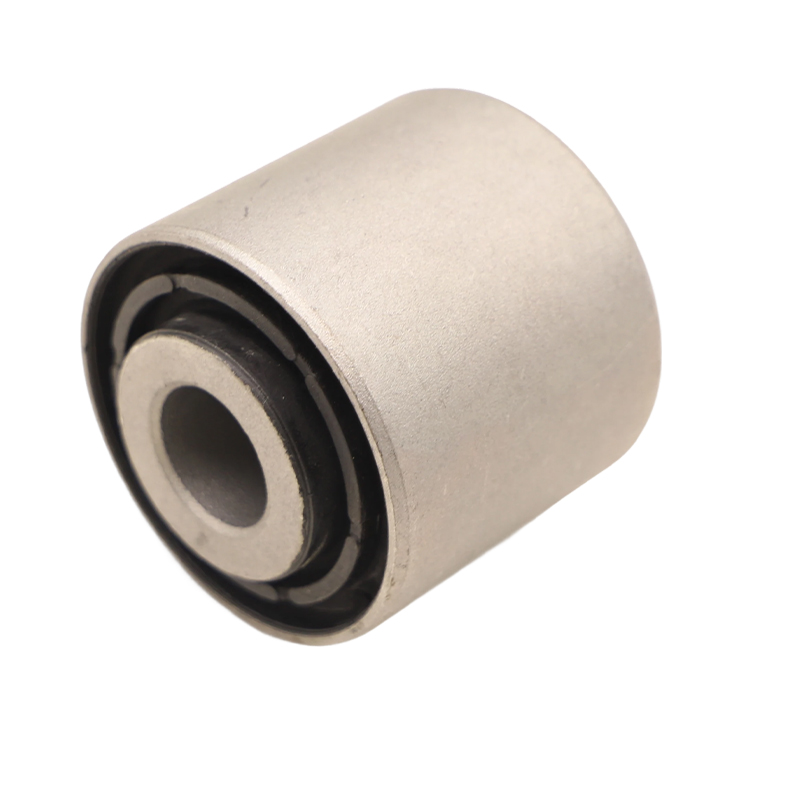
A typical truck bushing consists of an elastic inner material, sometimes reinforced or bonded to an inner and outer metal sleeve. The exact construction depends on its intended installation position and the forces it must withstand.
For example, a leaf spring bushing is designed to accommodate suspension movement and support the connection between the spring and chassis. An engine mount bushing, on the other hand, is designed to isolate engine vibration while supporting the engine’s weight and controlling movement.
Although their shapes, dimensions, and materials vary, all these components contribute to the smooth and reliable operation of a truck.
2. The Main Functions of Truck Bushings
Truck bushings perform several important functions. Their contribution extends beyond simply cushioning mechanical connections. They help protect vehicle components, improve driving performance, and reduce the impact of demanding operating conditions.
2.1 Absorbing Vibrations and Road Impacts
One of the most important functions of truck bushings is vibration absorption.
During operation, trucks encounter continuous vibrations caused by engine movement, uneven road surfaces, tire contact, and suspension movement. Without suitable cushioning components, these vibrations would travel more directly through the chassis and connected mechanical systems.
Rubber bushings deform slightly under pressure, absorbing and dissipating some of the energy generated by these movements. This helps reduce the transmission of vibration into the vehicle body and cab.
For long-distance truck drivers, effective vibration isolation can make a noticeable difference in driving comfort. It also helps reduce the repeated stress placed on surrounding components, including brackets, fasteners, and metal joints.
2.2 Reducing Noise and Improving Driving Comfort
Unwanted noise is another problem that properly functioning bushings help prevent.
When metal components move against each other without sufficient cushioning, they can generate knocking, squeaking, and rattling sounds. Worn bushings may also allow excessive movement, creating noise during acceleration, braking, cornering, or driving over uneven surfaces.
By maintaining a flexible connection between mechanical parts, bushings reduce direct metal-to-metal contact and help control unwanted movement.
This is particularly important for commercial vehicles, where drivers may spend many hours behind the wheel. A properly maintained bushing system contributes to a quieter and more comfortable working environment.
2.3 Maintaining Suspension Stability and Handling
Suspension bushings help keep suspension components properly positioned while allowing the controlled movement required for effective shock absorption.
For example, bushings installed in control arms and stabilizer bars help maintain the intended relationship between suspension components. They allow these parts to move as the wheels travel over uneven road surfaces without introducing excessive looseness.
When bushings are in good condition, the suspension can respond more consistently to steering inputs, braking forces, and road irregularities.
However, worn or damaged bushings may allow excessive movement, potentially affecting wheel alignment, cornering stability, and overall handling.
For trucks carrying heavy cargo, maintaining suspension stability is particularly important because vehicle weight and load distribution place additional demands on suspension components.
2.4 Protecting Other Mechanical Components
Bushings also help extend the service life of surrounding vehicle components.
By absorbing vibration and controlling movement, they reduce the direct impact of repeated forces on metal joints, mounting brackets, bolts, and connected structures.
For instance, engine mount bushings help isolate engine vibration from the chassis. Cab mounting bushings reduce the transfer of vibration into the cab structure. Suspension bushings help prevent excessive movement and impact between suspension components.
When a bushing becomes excessively worn, nearby components may experience additional stress. This can contribute to premature wear, loose connections, and more expensive repairs.
2.5 Supporting Load Distribution
In heavy-duty trucks, certain bushings are designed to withstand substantial loads while maintaining flexibility.
Leaf spring bushings are a good example. They help support the connection between the leaf spring assembly and the vehicle frame, allowing the suspension to articulate while maintaining the correct mounting position.
These components must withstand repeated loading and unloading, particularly in trucks used for construction, logistics, agricultural transportation, and other demanding applications.
A properly functioning bushing helps distribute forces through the intended suspension mounting points rather than allowing uncontrolled movement.
3. Common Types of Truck Bushings
Different truck systems require different bushing designs. Selecting the correct type is essential because each component is engineered to handle particular loads, movements, and installation conditions.
3.1 Leaf Spring Bushings
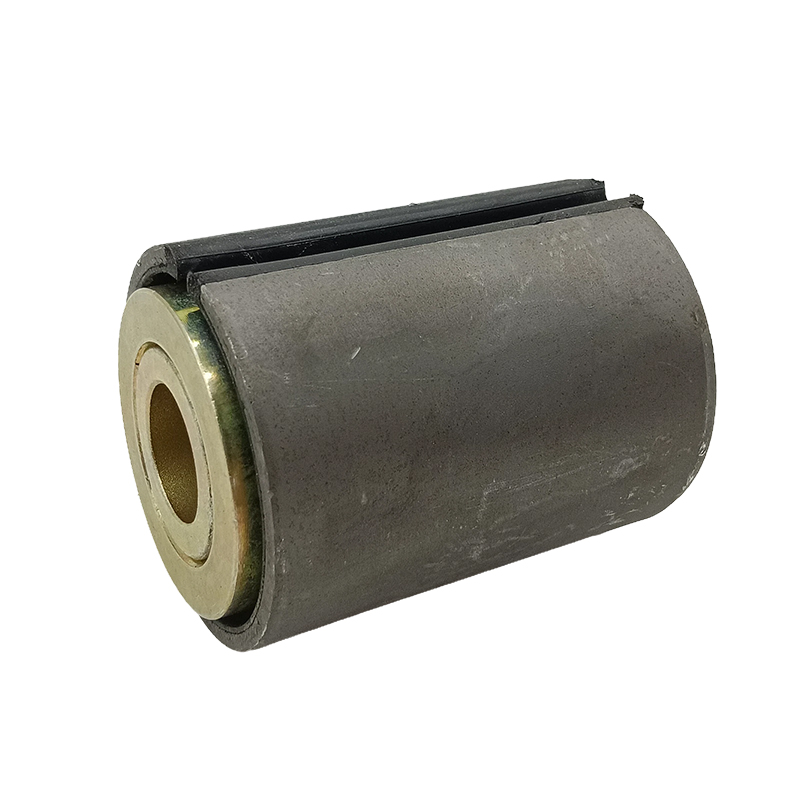
Leaf spring bushings are installed at the connection points of leaf spring suspension systems. They provide flexibility between the leaf spring and its mounting brackets, allowing the suspension to move as the vehicle travels over uneven surfaces.
These bushings help absorb road shocks, reduce vibration, and maintain proper suspension positioning. Because leaf spring systems support substantial vehicle loads, their bushings must withstand repeated compression, twisting, and movement.
Worn leaf spring bushings can cause suspension noise, excessive movement, alignment problems, and uneven tire wear.
3.2 Stabilizer Bar Bushings
Stabilizer bar bushings connect the stabilizer bar to the vehicle frame or suspension mounting points.
Their primary function is to cushion the stabilizer bar while allowing it to twist during cornering and other suspension movements. They help the stabilizer system control body roll and maintain vehicle stability.
When these bushings become worn, drivers may notice knocking noises, increased body movement when cornering, or reduced suspension responsiveness.
3.3 Control Arm and Link Rod Bushings
Control arm and link rod bushings are used at suspension connection points to provide controlled flexibility while keeping the suspension components correctly positioned.
They help absorb vibration and reduce the transfer of road impacts into the chassis. At the same time, they allow the suspension to move without excessive looseness.
These bushings are particularly important for maintaining suspension geometry. If they deteriorate, the connected arms or rods may move beyond their intended range, potentially affecting steering response, wheel alignment, and tire wear.
3.4 Cab Mount Bushings
Cab mount bushings are installed between the truck cab and chassis. They help isolate the cab from vibration generated by the engine, suspension, and road surface.
Their cushioning effect improves driver comfort and reduces vibration-related stress on cab mounting structures.
Damaged cab mount bushings may cause excessive cab movement, rattling sounds, uneven cab positioning, and increased vibration inside the driver’s compartment.
3.5 Engine Mount Bushings
Engine mount bushings support the engine assembly and help control its movement during operation.
Diesel engines generate considerable vibration and torque, particularly during acceleration and changes in engine speed. Engine mounts use rubber or other engineered cushioning materials to absorb vibration and prevent excessive movement from being transferred to the chassis.
Worn engine mount bushings may result in increased engine vibration, unusual noises, and excessive engine movement during acceleration or gear changes.
4. Why Do Truck Bushings Need Regular Maintenance and Replacement?
Truck bushings are generally designed for demanding operating conditions, but they are not permanent components. Repeated movement, heavy loads, temperature fluctuations, exposure to contaminants, and material aging gradually affect their performance.
Regular inspection and timely replacement are therefore essential for maintaining the reliability of the vehicle.
4.1 Preventing Suspension and Chassis Damage
A worn bushing may no longer provide sufficient support or cushioning between connected components.
As the rubber deteriorates, the connected metal parts can move excessively. This creates additional stress on mounting brackets, bolts, suspension arms, and other nearby components.
For example, a damaged leaf spring bushing may allow excessive movement around the spring eye. If the problem is ignored, the associated mounting components may also experience accelerated wear.
Replacing a damaged bushing at the appropriate time can help prevent a relatively small maintenance issue from developing into a more extensive repair.
4.2 Maintaining Proper Wheel Alignment
Suspension bushings contribute to the positioning of suspension components. When they become worn, the geometry of the suspension may change under load or during vehicle movement.
This can affect wheel alignment and lead to irregular tire wear.
For commercial trucks, tire condition is particularly important because tires represent a significant operating expense. Uneven wear may shorten tire service life and increase replacement costs.
Maintaining bushings in good condition helps preserve the intended suspension geometry and supports more consistent tire contact with the road.
4.3 Improving Driving Safety and Vehicle Stability
Damaged bushings can compromise the controlled movement of suspension components.
Excessive play in control arms, stabilizer bars, or other suspension connections may affect how a truck responds to steering inputs, braking, and cornering.
This is especially concerning for heavy-duty vehicles carrying substantial cargo. Additional vehicle weight can increase the forces acting on suspension components and make existing defects more significant.
Replacing worn bushings helps restore the intended connection between suspension parts and supports predictable vehicle handling.
4.4 Reducing Unnecessary Operating Costs
Preventive maintenance is generally more economical than waiting for a component to fail completely.
A deteriorated bushing can contribute to accelerated wear in surrounding components, including tires, suspension hardware, and mounting structures.
For fleet operators, these problems may lead to additional workshop visits, vehicle downtime, delayed deliveries, and higher maintenance expenses.
Routine inspections and timely bushing replacement help reduce the likelihood of unexpected repairs and support better vehicle availability.
4.5 Maintaining Driver Comfort
Long-distance truck drivers spend many hours operating their vehicles. Excessive vibration, knocking sounds, and rough suspension movement can make driving uncomfortable.
Worn cab, engine, and suspension bushings may allow more vibration and noise to enter the cab.
Replacing deteriorated bushings helps restore their vibration-isolation function, contributing to a more comfortable driving environment and reducing unnecessary mechanical noise.
5. Common Signs That Truck Bushings Need Replacement
Recognizing early warning signs can help prevent further damage. Although the symptoms vary depending on the bushing’s location and design, several common indicators deserve attention.
1. Cracked or torn rubber
Visible cracks, splits, or tears are among the most recognizable signs of deterioration. Rubber that has become brittle or separated from its metal sleeve may no longer provide adequate cushioning.
2. Excessive movement in suspension components
If suspension arms, spring connections, or mounting points move more than specified, worn bushings may be responsible. A qualified technician should inspect the assembly to determine whether the movement is within acceptable limits.
3. Knocking, clunking, or squeaking noises
Unusual sounds when driving over bumps, turning, braking, or accelerating may indicate excessive movement or damaged cushioning components. However, similar noises can also come from loose fasteners, ball joints, shock absorbers, and other suspension parts.
4. Uneven tire wear
Irregular tire wear may indicate that worn bushings have affected suspension geometry. Tire pressure, wheel alignment, and other suspension components should also be checked before identifying the cause.
5. Increased vibration
If the truck experiences more vibration than usual, inspect the engine mounts, cab mounts, and suspension connections. A deteriorated bushing may be allowing excessive vibration to pass through the vehicle.
6. Visible displacement or separation
A bushing that has shifted out of its intended position, shows significant rubber separation, or has a damaged metal sleeve may require immediate attention.
According to Hendrickson’s suspension maintenance guidance, cracks extending through the rubber toward the inner metal and rubber separation are important indications that certain suspension pivot bushings need replacement. Normal compression-related settling, however, should not automatically be mistaken for failure. Hendrickson+1
6. How to Maintain Truck Bushings Properly
Proper maintenance can help extend bushing service life and reduce the risk of unexpected mechanical problems. Although specific maintenance requirements differ between bushing types and truck manufacturers, the following practices provide a useful general approach.
6.1 Conduct Regular Visual Inspections
Inspect bushings during scheduled vehicle maintenance, particularly around suspension connections, spring eyes, stabilizer bars, control arms, engine mounts, and cab mounting points.
Look for:
- Cracks, tears, or hardened rubber.
- Rubber separation from inner or outer metal sleeves.
- Missing, displaced, or damaged components.
- Unusual wear marks around mounting brackets.
- Evidence of excessive movement or metal-to-metal contact.
Some bushings are concealed inside suspension assemblies, making inspection difficult. Use suitable workshop equipment and follow the manufacturer’s inspection procedures rather than relying on visual checks alone.
6.2 Follow the Recommended Maintenance Schedule
There is no single replacement interval suitable for every truck bushing. Service life depends on the component design, material, vehicle model, operating environment, load conditions, and driving habits.
Follow the truck manufacturer’s maintenance recommendations and inspect bushings during routine servicing.
Vehicles used for construction, mining, agricultural transportation, or frequent operation on rough roads may require more frequent inspections than trucks operating primarily on well-maintained highways.
6.3 Keep Lubricated Bushings Properly Serviced
Not all truck bushings require lubrication.
Some rubber-metal bushings are designed to operate without additional grease. Others, particularly certain serviceable suspension bushings, have lubrication requirements.
Always check the manufacturer’s specifications before applying lubricant. Using an unsuitable grease or lubricating a sealed, non-serviceable bushing can damage the component or interfere with its intended operation.
For lubricated designs, use the recommended lubricant and follow the correct servicing procedure.
6.4 Avoid Overloading the Vehicle
Excessive vehicle loads increase the forces acting on suspension components, including bushings.
Repeated operation beyond the manufacturer’s specified load capacity can accelerate rubber deformation, fatigue, and wear.
Distribute cargo appropriately, observe axle weight limits, and avoid unnecessary overloading. These practices help protect the suspension system and other load-bearing components.
6.5 Use Correct Installation Procedures
Even a high-quality bushing may fail prematurely if installed incorrectly.
During replacement, technicians should:
- Confirm that the replacement part matches the vehicle application.
- Use appropriate removal and installation tools.
- Avoid damaging the rubber surface or metal sleeves.
- Check the mounting brackets and surrounding hardware.
- Follow the manufacturer’s specified tightening sequence and torque values.
- Tighten suspension fasteners in the correct vehicle loading position when required by the manufacturer.
Improper installation can introduce unwanted stress, misalignment, or premature deformation.
6.6 Pay Attention to Operating Conditions
Environmental factors can influence bushing durability. Extreme temperatures, oil exposure, road salt, moisture, dust, and chemical contaminants may accelerate the deterioration of certain rubber materials.
After operating in particularly harsh environments, inspect exposed suspension and mounting components for contamination or damage.
A maintenance record that includes inspection findings, replacement dates, and component identification can also help fleet managers monitor recurring problems and plan preventive repairs.Heavy Duty Trucking+3
7. How to Choose the Right Replacement Truck Bushings
Selecting suitable replacement bushings is just as important as recognizing when replacement is necessary. Different truck manufacturers and models may use components that look similar but have different dimensions, material properties, or installation requirements.
Consider the following factors when purchasing replacement parts.
7.1 Verify the OE Part Number
The original equipment (OE) part number is one of the most useful references when identifying a replacement bushing.
Check the original part number against the replacement supplier’s catalogue. If a superseded or alternative number is listed, confirm its compatibility before ordering.
Do not rely on appearance alone, as similar-looking bushings may not be interchangeable.
7.2 Check All Important Dimensions
Compare the replacement part’s measurements with the original component and the manufacturer’s specifications.
Important dimensions may include:
- Inner diameter (ID).
- Outer diameter (OD).
- Overall height or length.
- Sleeve dimensions.
- Thread size, where applicable.
- Mounting hole spacing.
- Additional stepped or secondary diameters.
Even a small dimensional difference can affect installation, positioning, and performance.
7.3 Consider Material Quality
Rubber is widely used in truck bushings because of its flexibility, vibration absorption, and noise-reduction properties.
Polyurethane is another option in certain applications, offering different stiffness and wear characteristics.
The appropriate material depends on the original design and operating requirements. Harder does not automatically mean better: excessive stiffness may change vibration isolation and load distribution.
Choose materials that meet the intended application and manufacturer specifications.
7.4 Purchase from Reliable Suppliers
A dependable supplier should provide accurate product descriptions, OE references, dimensional information, and application details.
Quality assurance and traceability are also important, particularly for fleet operators and commercial vehicle repair businesses purchasing components in larger quantities.
Before installation, inspect the replacement bushing for visible manufacturing defects, incorrect dimensions, and damage during transportation.
8. The Importance of Preventive Bushing Maintenance for Fleet Operators
For fleet operators, truck bushings deserve attention as part of a broader vehicle maintenance strategy.
A single worn bushing may appear insignificant, but multiple vehicles operating with deteriorated suspension components can create considerable maintenance expenses.
An effective preventive maintenance program should include regular suspension inspections, accurate maintenance records, driver feedback, and timely component replacement.
Drivers should be encouraged to report unusual knocking sounds, increased vibration, changes in handling, or other abnormal vehicle behavior. Early reporting allows technicians to investigate potential problems before they become more serious.
Fleet managers should also monitor recurring bushing failures. If a particular component repeatedly wears out ahead of expectations, investigate possible causes such as overloading, incorrect installation, unsuitable replacement materials, damaged mounting brackets, or particularly demanding operating conditions.
Importantly, replacing bushings should not be treated as an isolated repair. Technicians should inspect associated suspension components, fasteners, and mounting points to identify any underlying issues.
A systematic approach helps improve vehicle reliability, reduce avoidable downtime, and make maintenance budgets more predictable.
9. Conclusion: Small Components, Significant Benefits
Truck bushings may be relatively small compared with other vehicle components, but their contribution to vehicle performance is substantial.
From absorbing vibration and reducing noise to maintaining suspension geometry and protecting mechanical connections, bushings support the reliable operation of commercial trucks.
However, continuous exposure to heavy loads, road impacts, temperature changes, and repeated mechanical movement inevitably causes wear. Ignoring deteriorated bushings can result in poor handling, uneven tire wear, increased vibration, and additional stress on surrounding components.
Regular inspections, correct installation, suitable replacement parts, and adherence to manufacturer maintenance recommendations are therefore essential.
For truck owners, fleet managers, and repair professionals, paying attention to these often-overlooked components is a practical way to improve vehicle reliability, protect valuable equipment, and maintain safer, more comfortable operating conditions.
10. Frequently Asked Questions (FAQs)
Q1: What is the main purpose of truck bushings?
Truck bushings absorb vibration, reduce noise, cushion mechanical connections, and allow controlled movement between connected components. They also help maintain suspension stability and protect surrounding parts from excessive wear.
Q2: How long do truck bushings typically last?
Their service life varies depending on material quality, vehicle usage, road conditions, loading, and maintenance practices. There is no universal replacement interval. Regular inspections and manufacturer recommendations should guide replacement decisions.
Q3: What are the most common signs of worn truck bushings?
Common warning signs include cracked or torn rubber, knocking or squeaking noises, excessive suspension movement, increased vibration, uneven tire wear, and visible separation between rubber and metal components.
Q4: Can worn bushings affect truck driving safety?
Yes. Severely worn bushings can affect suspension geometry, steering response, and vehicle stability. They may also increase stress on surrounding suspension components. Damaged bushings should be inspected and replaced when necessary.
Q5: Should truck bushings be lubricated regularly?
It depends on their design. Some bushings are sealed rubber-metal assemblies that do not require lubrication, while certain serviceable bushings need periodic greasing. Always follow the manufacturer’s recommendations and use the specified lubricant.
Q6: How do I choose the correct replacement truck bushing?
Check the OE part number, vehicle make and model, installation position, and all relevant dimensions, including inner diameter, outer diameter, and height. Also verify material specifications and purchase from a reliable supplier to ensure proper compatibility and performance.